Buying a used car can save you money, but it can also come with risks. Some cars look clean on the outside but hide problems under the hood, in the paperwork, or during the test drive. That is why you need to slow down and check the details before handing over your money.
A good deal is only good if the car is safe, reliable, and worth the price.
Missing or Unclear Vehicle History
A seller should be able to provide basic history about the car. This may include past ownership, service records, accident history, and title status. If the seller avoids questions or says they have no records at all, be careful.
A missing history does not always mean the car is bad. But it does mean you need to inspect it more closely.
Signs of Accident Damage
Look at the body panels. Do the gaps look uneven? Does one door close differently from the others? Is the paint slightly different on one side?
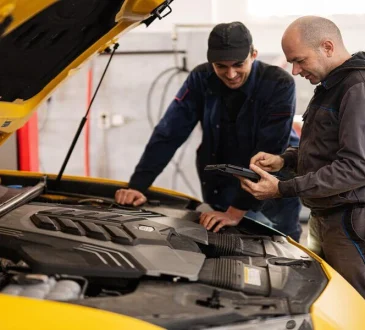
These may be signs of previous accident repairs. Also check under the hood and inside the trunk for bent metal, overspray, or fresh paint. A car that was poorly repaired may have alignment, safety, or frame issues.
Strange Engine Noises
The engine should start smoothly and run evenly. Knocking, ticking, grinding, or loud rattling can point to expensive problems.
Listen when the car is cold and after it warms up. Some sellers may run the car before you arrive to hide cold-start issues. That sounds small, but it matters.
Warning Lights on the Dashboard
Never ignore dashboard warning lights. The check engine light, ABS light, airbag light, or oil pressure light can signal serious issues.
Some sellers may say, “It is just a sensor.” Maybe it is. Maybe it is not. Always have the code checked before buying.
Smoke From the Exhaust
A little vapor on a cold morning can be normal. But blue, white, or black smoke is a warning sign.
Blue smoke may mean the engine is burning oil. White smoke can point to coolant problems. Black smoke may mean the car is burning too much fuel. Any of these can lead to costly repairs.
Fluid Leaks
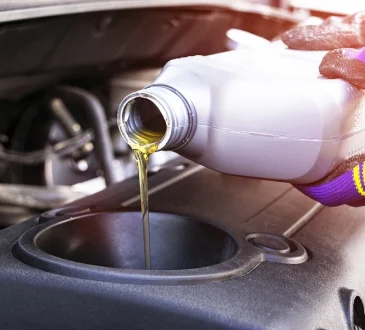
Check under the car after it has been parked. Look for oil, coolant, transmission fluid, brake fluid, or power steering fluid.
Small leaks can turn into big repairs. Also check the engine bay for wet spots, stains, or strong smells.
Poor Test Drive Performance
During the test drive, the car should shift smoothly, brake straight, and steer without pulling. Pay attention to shaking, delayed acceleration, clunking sounds, or rough gear changes.
A short drive around the block is not enough. Try different speeds and road conditions when possible.
Worn Interior That Does Not Match the Mileage
A car with low mileage should not have badly worn seats, pedals, steering wheel, and buttons. Heavy wear may mean the mileage is higher than shown or the car was used harder than expected.
Trust what you see, not just what the odometer says.
Title Problems
Be careful with salvage titles, rebuilt titles, flood titles, or any title that does not match the seller’s name. Title problems can affect insurance, resale value, and safety.
Never buy a car without checking that the paperwork is clear and legal.
Seller Pressure
If the seller rushes you, refuses inspection, avoids paperwork, or only wants cash fast, walk away. Honest sellers usually understand that buyers need time to check the vehicle.
Final Thoughts
Used car red flags buyers should never ignore include strange noises, warning lights, leaks, title issues, and seller pressure. Take your time. Ask questions. Get an inspection when possible.
A used car can be a smart purchase, but only if you know what to watch for.
This post was written by a professional at Redemption Auto Sales. Used Car Dealers St Petersburg FL is a trusted used car dealership located at 11001 Seminole Blvd in Largo, FL. Serving Pinellas County, they offer a wide selection of quality used cars, trucks, SUVs, and vans. As a certified Carfax dealer, every vehicle comes with a detailed history report. They provide flexible financing, accept trade-ins, and are committed to a hassle-free, no-haggle buying experience. Visit 200autos.com or call (727) 200-2468 to learn more.