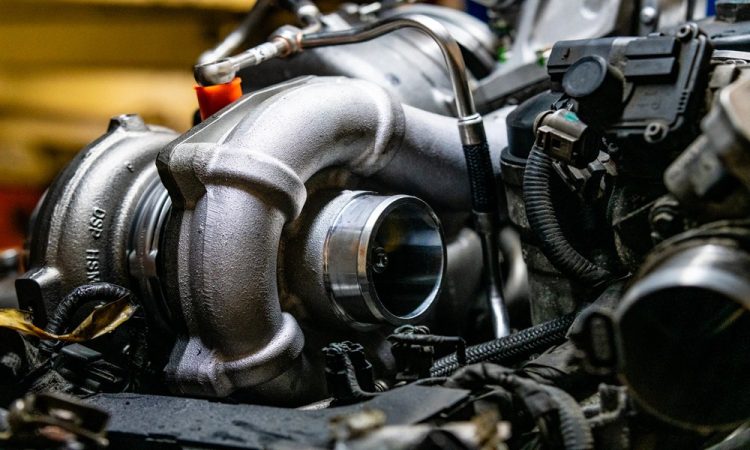
Replacing a turbocharger in a heavy-duty engine is a high-stakes operation. For fleet managers and owner-operators, the goal is simple: minimize downtime and ensure the engine returns to full power. However, the precision required for a Cummins ISX15 installation means that a single overlooked detail can lead to catastrophic failure within the first few hundred miles.
When a turbo fails, the instinct is often to swap the hardware as quickly as possible to get the truck back on the road. But rushing the process often leads to “infant mortality” of the new component-where a brand-new part fails prematurely due to installation errors rather than manufacturing defects.
The Danger of Neglecting the Oil System
The most critical mistake during a turbo installation is failing to address the lubrication system. A turbocharger spins at incredibly high speeds, and the bearings rely on a constant, pressurized film of clean oil. If that film is interrupted for even a few seconds, the bearings will score, and the shaft will seize.
Failing to Prime the Turbo
One of the most frequent errors is installing the unit “dry.” If you bolt the turbo to the engine and immediately fire up the ignition, the unit must wait for the oil pump to push lubricant through the galleries and into the bearings. This “dry start” causes immediate friction damage.
To avoid this, technicians should manually prime the turbo by pouring clean oil into the inlet or using a pressurized priming tool before the first start.
Ignoring the Oil Feed Line
Many installers make the mistake of reusing the old oil feed line. Over time, these lines can accumulate carbon deposits or sludge that restrict flow. A restricted feed line may provide enough oil to start the engine, but under load, the turbo will be starved of lubrication. Replacing the feed line is a low-cost insurance policy against a high-cost failure.
Critical Gasket and Seal Oversights
Air leaks and oil leaks are not just messy; they are performance killers. In a turbocharged system, any leak on the intake side (the “cold side”) results in a loss of boost pressure, which forces the engine to work harder and increases fuel consumption.
Improper Gasket Seating
Using old gaskets or attempting to reuse a crushed seal is a recipe for failure. Even a microscopic gap between the exhaust manifold and the Cummins ISX15 Turbo can lead to exhaust leaks. These leaks can cause “sooting,” where carbon buildup accumulates around the flange, eventually making it impossible to get a proper seal during future repairs.
Over-Torquing Fasteners
While it is tempting to tighten bolts as much as possible to prevent leaks, over-torquing can warp the mounting flanges or snap a bolt in the manifold. Always use a calibrated torque wrench and follow the manufacturer’s specific foot-pound requirements. A warped flange will never seal correctly, regardless of how new the gasket is.
Overlooking the Root Cause of Failure
Installing a new turbo without diagnosing why the previous one failed is perhaps the most expensive mistake a technician can make. If you simply “swap and go,” you are likely installing a new part into a system that is designed to destroy it.
The Debris Check
Before installing the new unit, inspect the intake piping and the intercooler for signs of foreign object damage (FOD). If a piece of a hose or a rag was sucked into the previous turbo, there is a high probability that debris is still sitting in the piping. If that debris enters the new turbo, the compressor wheel will be destroyed instantly.
Checking for Oil Carry-Over
If the previous turbo failed because it was “oil-logging” (filling with oil from the crankcase), the problem is likely a failed crankshaft seal or a clogged breather system. If you don’t fix the pressure issue in the crankcase, the new turbo will be flooded with oil, leading to excessive smoke and potential engine runaway.
Final Verification Steps
Once the hardware is bolted down and the systems are primed, the final stage is the “break-in” period. A common error is putting the truck immediately back into a heavy-haul cycle.
Instead, allow the engine to idle and reach operating temperature gradually. Monitor the oil pressure gauge closely to ensure the turbo is receiving adequate lubrication. Listen for any abnormal whistling or grinding noises that could indicate a misalignment or a loose coupling. By slowing down the final ten percent of the process, you protect the investment of the hardware and ensure the vehicle stays on the road for the long haul.