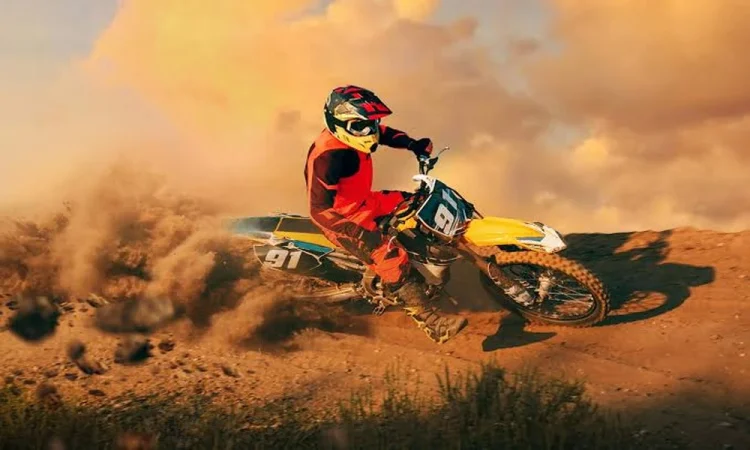
A beginner’s guide to choosing the right dirt bike starts with understanding your riding goals, skill level, and the features that matter most. Getting the right bike will make your ride safer and more fun, whether you’re going to be on paths, open fields, or private tracks. With many models available today, taking the time to compare engine types, size, safety features, and maintenance needs will help you make a confident decision.
Understand Your Riding Experience
Before buying a dirt bike, honestly assess your experience level. Beginners should avoid choosing the most powerful model simply because it looks impressive. Smaller and easier-to-control bikes allow new riders to build confidence while learning essential skills such as balance, braking, cornering, and throttle control.
A beginner-friendly dirt bike offers predictable handling, comfortable seating, and manageable power. You can always move up to a bigger or more advanced model as your skills get better.
Choose The Right Engine Type
One of the first decisions involves selecting the engine type. Dirt bikes are generally available with petrol or electric power. Depending on how you ride and where you live, each choice has its own benefits.
Petrol-powered bikes have traditionally been the preferred choice for longer rides because they offer extended riding time and quick refuelling. Electric models continue to grow in popularity thanks to their quiet operation, lower maintenance, and environmentally friendly performance.
Your choice should depend on where you plan to ride, how often you ride, and your personal preferences regarding maintenance and operating costs.
Pick The Correct Bike Size
Size is one of the most important factors when choosing a dirt bike. A bike that is too large can feel intimidating, while one that is too small may become uncomfortable as your skills develop.
When sitting on the bike, you should be able to comfortably reach the ground with at least part of both feet. The handlebars should feel natural to hold, and the controls should be easy to operate without stretching.
Children and teenagers should always ride bikes specifically designed for their height and weight to maximise both safety and comfort.
Consider The Terrain You Will Ride
Different riding environments require different bike characteristics. If you mainly ride on woodland trails, look for a bike with smooth suspension and good manoeuvrability. Riders planning to tackle rough terrain or motocross tracks may benefit from stronger suspension systems and higher ground clearance.
Think about the type of riding you expect to do most often instead of purchasing a bike designed for every possible condition.
Prioritise Safety Features
Safety should always be a top priority for every rider. Look for bikes with reliable brakes, quality suspension, responsive throttle control, and durable construction. These features contribute to greater stability and rider confidence.
Equally important is investing in protective gear, including a certified helmet, gloves, boots, knee protection, elbow guards, and body armour. Even experienced riders understand that quality protective equipment significantly reduces injury risks.
Taking a professional riding course can also help beginners develop proper riding habits from the start.
Think Beyond Dirt Bikes
Many families who enjoy outdoor recreation eventually expand into other off-road vehicles. Quad Bikes provide another exciting option for recreational riding, offering excellent stability and comfort for riders who prefer four wheels instead of two. They are particularly popular for family adventures, farm use, and exploring larger outdoor spaces.
Comparing different vehicle types helps buyers choose equipment that best suits their long-term outdoor activities.
Explore Modern Electric Options
Technology has transformed off-road riding in recent years. Electric Quad Bikes have become increasingly popular thanks to their quiet performance, simple maintenance requirements, and instant torque delivery. Many families appreciate their reduced noise levels, making them suitable for private properties and designated riding areas where quieter vehicles are preferred.
Electric recreational vehicles keep getting better, with batteries that last longer, charging times that are faster, and reliable performance that makes them appealing to both new and experienced riders.
Maintenance Matters
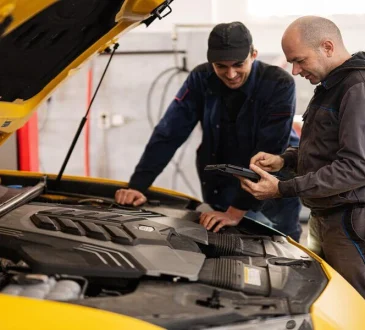
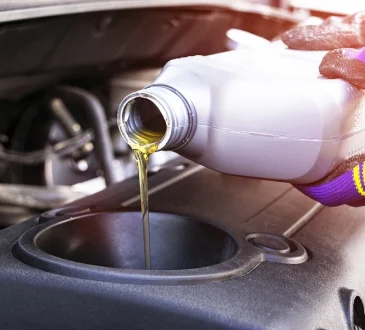
Owning a dirt bike also means understanding routine maintenance. Regular inspections keep your bike operating safely and efficiently. Essential maintenance tasks include checking tyre pressure, inspecting brakes, cleaning the air filter, lubricating the chain, tightening bolts, and monitoring fluid levels where applicable.
Cleaning the bike after muddy rides prevents excessive wear while allowing you to identify any potential issues before they become expensive repairs. Developing a maintenance routine also helps extend the lifespan of your investment.
Set A Realistic Budget
The purchase price is only one part of ownership. Budget for protective riding gear, regular maintenance, replacement parts, transportation, fuel or charging costs, and insurance if applicable.
While it may be tempting to buy the cheapest available option, investing in a quality bike from the beginning often provides better reliability, safety, and long-term value.
Conclusion
Choosing the right dirt bike is about finding the perfect balance between your experience, intended riding environment, budget, and future goals. Beginners benefit from selecting a bike that offers manageable power, comfortable handling, and dependable safety features rather than focusing solely on speed or appearance. By considering engine type, bike size, terrain, maintenance requirements, and protective equipment, you can enjoy a rewarding introduction to off-road riding. Taking the time to research your options today will help ensure many years of safe, enjoyable adventures as your riding skills continue to grow.