There is more to owning a Porsche than just taking advantage of its outstanding performance and elegance. In order to guarantee dependability, safety, and long-term value, it also entails adequate vehicle maintenance. How often a Porsche should be maintained is one of the most frequently asked questions. Understanding manufacturer recommendations, vehicle age, driving patterns, and preventive maintenance may assist in identifying the optimal service plan, even though there isn’t a single solution that works for every model.
Observing Manufacturer Service Intervals
The owner’s handbook outlines the precise maintenance schedules that Porsche incorporates into the construction of its cars. To guarantee optimum performance and durability, these service intervals are based on thorough engineering and testing.
Many modern Porsche models typically need maintenance once a year or every 10,000 to 15,000 miles, whichever comes first. However, various service requirements may apply depending on the model, engine type, and production year. High-performance variants may need more maintenance than standard models.
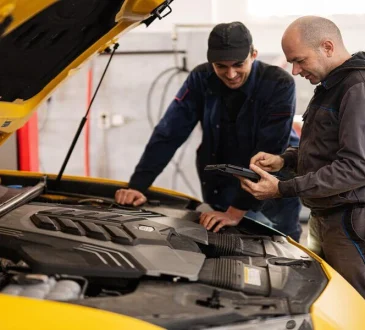
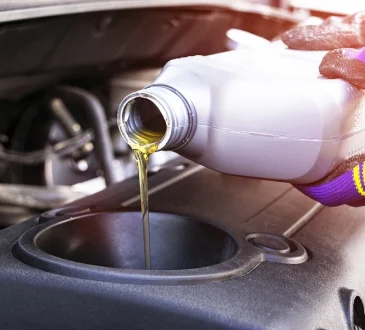
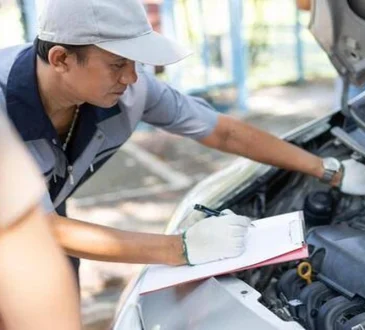
Oil and filter replacements, braking system checks, fluid inspections, tyre assessments, and diagnostic scans are common routine examinations during a planned Porsche service. By adhering to these intervals, any problems may be found before they need significant repairs.
The Significance Of Driving Habits
Not every Porsche is driven under the same circumstances. How often maintenance may be required depends in large part on driving behaviour.
More frequent inspections may be necessary for vehicles that often encounter stop-and-go traffic, short journeys, severe temperatures, or aggressive driving. These circumstances put more strain on tyres, brakes, engine parts, and fluids.
Conversely, cars that are driven mostly on highways at constant speeds could endure less wear in certain places. However, as certain maintenance activities are time-based rather than mileage-based, owners should continue to adhere to prescribed service schedules.
Age-Related Maintenance Issues
Regardless of mileage, a Porsche’s maintenance needs often rise as it ages. Over time, rubber hoses, belts, suspension parts, and seals all naturally deteriorate. Even when a car is not used regularly, fluids may deteriorate.
More thorough checks may be beneficial for older cars in order to find wear that appears gradually. Maintaining the vehicle’s performance characteristics and preventing unplanned breakdowns may be achieved by the proactive replacement of ageing components.
Depending on the state and maintenance history of the vehicle, service schedules for older and classic Porsche models may need to be modified. For older cars, skilled technicians may suggest appropriate maintenance periods.
Maintaining Low-Kilometre Automobiles
Many Porsche owners don’t often drive their cars. Although it’s not always the case, low-kilometre automobiles are sometimes thought to need less maintenance.
Seals may dry up and fluids age even if a Porsche is kept in storage for a long period of time. If the car is parked for a long time, the battery’s performance may deteriorate, and the tyres may have flat patches.
Due to these reasons, time-based guidelines for routine maintenance should still be followed for cars with low mileage. Even if the car hasn’t been driven much since its last maintenance, annual checks help guarantee that critical systems are still in excellent operating order.
The Importance Of Preventive Maintenance
One of the best ways to safeguard a Porsche investment is via preventative maintenance. Waiting until warning lights show up or performance problems arise will often lead to more costly repairs.
Frequent maintenance enables experts to spot minor issues before they become serious mechanical problems. This proactive strategy supports resale value, maintains performance, and increases dependability.
By guaranteeing that vital systems like brakes, steering, suspension, and tyres continue to function as designed, preventative service also enhances safety. Maintaining these systems is very crucial for performance cars.
Choosing The Appropriate Service Schedule
There isn’t a single service schedule that works for all Porsches. Manufacturer guidelines are a great place to start, but maintenance requirements vary depending on a number of variables, including model type, age, mileage, storage conditions, and driving habits.
Porsche owners may take advantage of the performance and driving experience their cars are meant to provide by adhering to suggested intervals and adopting preventive maintenance. Regular maintenance helps guarantee years of reliable ownership in addition to protecting the car.