The rapid expansion of electric vehicle (EV) manufacturing is reshaping multiple segments of the automotive supply chain-and protective films are among the biggest beneficiaries.
From battery systems to high-gloss interiors, EV production introduces new materials, processes, and quality standards that significantly increase the need for advanced surface protection solutions.
As a result, protective films are transitioning from optional materials to essential components in modern EV manufacturing.
The Rise of EV Production and Its Material Challenges
Global EV adoption is accelerating at an unprecedented pace, driven by environmental regulations, government incentives, and consumer demand for sustainable mobility. This shift is not only increasing vehicle production volumes but also transforming how vehicles are designed and manufactured.
Unlike traditional internal combustion engine (ICE) vehicles, EVs rely heavily on lightweight materials, advanced electronics, and high-performance battery systems. These components are often more sensitive to scratches, contamination, and handling damage. As EV production expands, so does the need to protect these high-value surfaces throughout manufacturing, assembly, and transportation.
Industry data confirms that increasing EV production directly boosts demand for protective films across multiple applications, including battery covers, infotainment displays, and exterior coatings. This trend highlights how EV manufacturing is creating entirely new use cases for surface protection technologies.
Battery Systems: A New Frontier for Protective Films
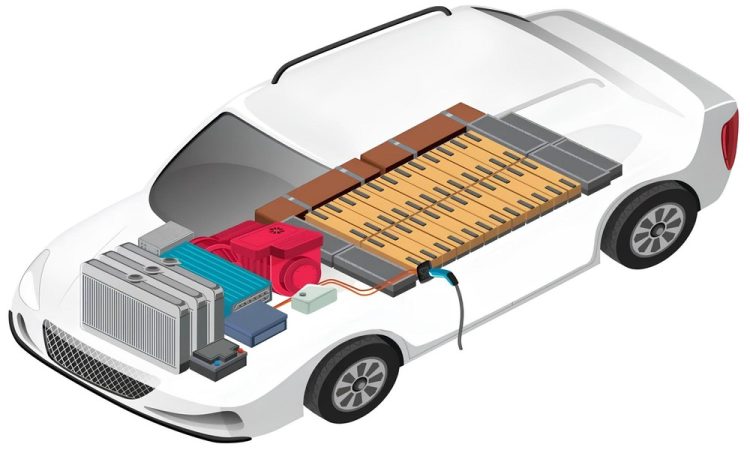
One of the most critical differences in EV manufacturing is the central role of battery systems. EV batteries are large, complex, and expensive components that require strict protection during assembly and installation.
Protective films are widely used on battery housings, covers, and sensitive surfaces to prevent scratches, dust contamination, and chemical exposure. Given the high cost of battery packs, even minor surface damage can lead to significant financial losses or performance issues.
Additionally, battery enclosures often use aluminum or composite materials, which are more susceptible to surface damage compared to traditional steel structures. Protective films provide a lightweight, cost-effective solution to maintain surface integrity without compromising design or performance.
Advanced Displays and Electronics Drive Film Demand
EVs are often described as “computers on wheels,” featuring large infotainment screens, touch panels, and digital dashboards. These components require flawless optical clarity and are highly sensitive to scratches, fingerprints, and dust.
During manufacturing, protective films are applied to displays and control panels to ensure they remain pristine until final delivery. The growing integration of electronics in EVs is a major driver of demand for high-performance films with properties such as anti-static behavior, clean removal, and high transparency.
This trend aligns with broader market growth, where protective films are increasingly used in electronics manufacturing to maintain product quality and reduce defect rates.
Exterior Coatings and Paint Protection Requirements
EV manufacturing is also influencing changes in automotive coatings. Environmental regulations have pushed automakers toward low-VOC and water-based paint systems, which are more sustainable but often more sensitive to surface imperfections.
These coatings require enhanced protection during production and post-delivery use. Protective films-especially paint protection films (PPF)-shield surfaces from scratches, swirl marks, and environmental wear.
EV adoption has been identified as a major contributor to the growth of the paint protection film market, with global demand rising significantly as EV owners prioritize surface preservation. The automotive film market is anticipated to expand consistently, supported by growing needs for surface protection and visual enhancement.
Lightweight Materials and Aerodynamic Components
To maximize driving range, EV manufacturers prioritize lightweight construction and aerodynamic efficiency. This results in the use of advanced materials such as composites, thin-gauge metals, and specialized coatings.
While these materials improve efficiency, they are often more vulnerable to damage during manufacturing and handling. Protective films play a crucial role in safeguarding these surfaces without adding weight or altering performance.
For example, aerodynamic panels and smooth underbody components must remain free from scratches or defects to maintain optimal airflow. Even minor surface damage can impact efficiency, making protective films an essential solution.
Manufacturing Efficiency and Cost Reduction
Protective films also contribute to operational efficiency in EV manufacturing. By minimizing surface defects, manufacturers can lower rework, reduce scrap, and decrease warranty costs.
In high-volume EV production, even marginal yield improvements can lead to substantial cost reductions. Protective films help ensure that components move through the production process without defects, supporting lean manufacturing principles.
As the automotive coatings market continues to grow-from approximately $19.49 billion in 2026 to over $27 billion by 2034-surface protection solutions are becoming increasingly integrated into OEM processes.
Market Outlook: Strong Growth Ahead
The global protective films market is experiencing steady expansion, with projections showing growth from $1.5 billion in 2026 to nearly $2.9 billion by 2036. A significant portion of this growth is tied directly to the automotive sector, particularly EV production.
Asia-Pacific remains the leading region due to its strong EV manufacturing base, while North America and Europe focus on high-performance and sustainable film solutions.
As EV production scales globally, protective films will play an increasingly critical role in ensuring product quality, durability, and cost efficiency.