Brake Pedal Feel: What’s Normal and What’s Not – Identifying Issues from Pedal Softness or Stiffness


The brake pedal is a key control for safe driving. The feel of the pedal can tell a lot about the brake system health. A pedal that is too soft or too stiff often signals a problem. Knowing what is normal helps drivers spot issues early. Professional brake service providers offer different service tiers. These tiers guide clients through basic checks to complete brake repairs. Understanding pedal feel is the first step toward proper brake care.
What Does Normal Brake Pedal Feel Mean
A normal brake pedal feels firm and responsive underfoot. When pressed the pedal moves smoothly and stops at a certain point. This firmness gives the driver confidence when slowing or stopping. The pedal should not sink to the floor or feel spongy. Also it should not be so stiff that pressing it feels difficult. Consistent resistance and feedback indicate the brake system is working well. Technicians use this knowledge during inspections to confirm brake health.
Soft Brake Pedal: Common Causes and Concerns
A soft or spongy brake pedal often points to air in the brake lines. Air compresses more than brake fluid causing a mushy feel. Brake fluid leaks are another cause of softness in the pedal. Worn or damaged brake parts can also reduce pedal firmness. This softness means the brakes may not apply full pressure when needed. It can increase stopping distances and cause unsafe driving. Service tiers include brake line bleeding and leak repairs to fix this issue. Early diagnosis by Brake Repair in Yonkers, NY prevents major brake failure and keeps driving safe.
Why Pedal Feel Checks Are Part of Every Service
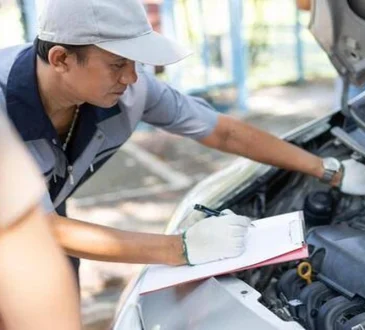
Checking pedal feel is a basic yet vital step in brake inspections. Service providers include this in entry-level packages to catch early signs of trouble. Advanced tiers add detailed system diagnostics to find hidden faults. Pedal feel helps technicians decide what service is needed. Clients get a clear path from simple fixes to full brake system overhaul. Regular checks of pedal feel keep brakes responsive and safe over time.
How Understanding Pedal Issues Benefits Drivers
Drivers who know normal pedal feel can spot changes quickly. Reporting soft or stiff pedals early means faster repairs and lower costs. It also avoids emergency brake failure while on the road. Professional brake service providers educate clients about pedal feel. They offer service tiers to match each vehicle’s needs. This ensures drivers get proper care whether the issue is minor or major. Pedal feel is an important indicator for maintaining brake reliability.
Conclusion
Brake pedal feel reveals much about brake system condition. Normal firmness means the system works smoothly and safely. A soft pedal often points to air or leaks that reduce brake power. A stiff pedal usually signals booster or caliper problems that limit control. Regular pedal feel checks are part of effective brake maintenance. Service tiers help clients choose from basic inspections to full repairs. Understanding pedal issues helps drivers keep braking performance reliable. Safe driving starts with a brake pedal that feels just right.