The head gasket is a vital engine seal that separates several important internal passages. It keeps engine oil coolant and combustion gases in their proper areas. When this seal becomes damaged the engine can develop serious pressure problems. Sometimes the first warning signs appear through unusual oil pressure readings. The damage can also affect lubrication and create wider internal engine concerns. So understanding this connection can help prevent expensive mechanical damage. Now drivers can respond sooner when unusual engine symptoms begin appearing.
How the Head Gasket Supports Engine Oil Pressure
When combustion pressure enters an oil passage the lubrication system can become unstable. The pressure inside that passage may rise beyond normal operating conditions. Meanwhile other areas may receive reduced oil flow because pressure distribution changes. This situation can interfere with proper lubrication throughout important engine components. The result may include unusual pressure readings during different engine operating conditions. You may notice changes when the engine becomes hot or works harder. Therefore unusual oil pressure should never be ignored after gasket damage appears.
Oil Contamination Can Change Pressure Behavior
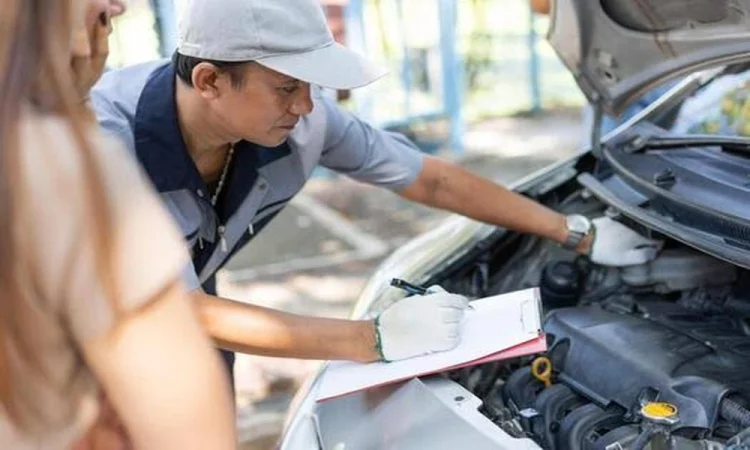
The problem can become more serious when contaminated oil reaches bearings and other components. Bearings depend on consistent oil pressure for protection during engine operation. Reduced lubrication can increase friction between closely fitted moving surfaces. Sometimes the engine may develop tapping noises or other unusual mechanical sounds. Continued operation can then create additional wear inside the engine. This is why professional inspection remains important after suspected head gasket failure. Auto repair in Sanford, FL service can help identify the source before further damage develops.
Preventing Greater Engine Damage After Gasket Failure
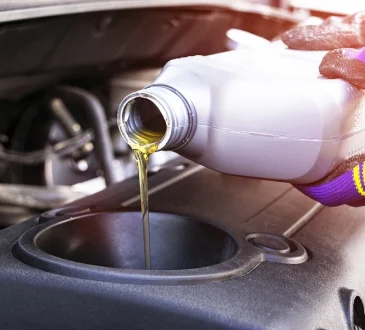
After repairs the engine should receive suitable fresh lubricant and necessary filter replacement. Coolant contamination must also be removed from affected lubrication areas. The cooling system may require inspection to identify why overheating occurred. Proper restoration ensures that the repaired engine receives reliable lubrication afterward. So replacing the gasket alone may not address every consequence of failure. Harrell and Beverly can provide diagnostic guidance and repair support when these concerns arise.
Understanding the Gasket Issue And Potential Solutions
The relationship between head gasket damage and oil pressure is important. A failed gasket can disrupt pressure through leakage contamination or combustion intrusion. These problems can quickly affect lubrication and increase internal engine wear. Early attention gives the engine a better chance of avoiding severe consequences. Regular maintenance can also help detect overheating and fluid abnormalities sooner. Now careful observation remains one of the simplest ways to protect engine health. Harrell and Beverly can help drivers investigate warning signs before minor problems become major repairs.