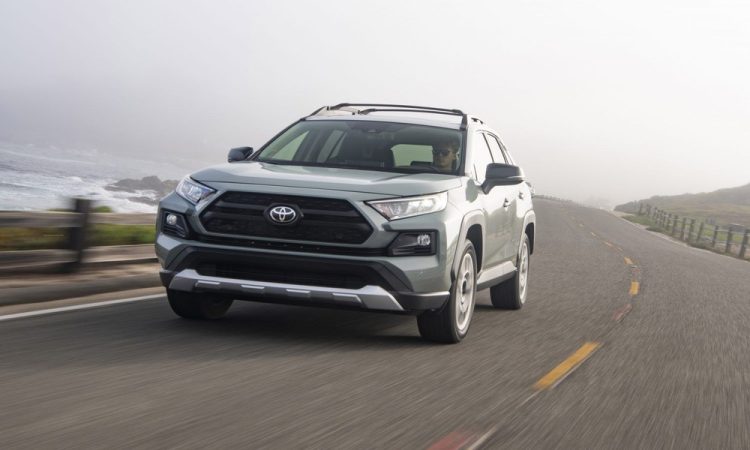
Shopping for a used car can feel overwhelming, especially when there are multiple dealerships offering similar vehicles at different price points. Knowing how to properly compare used car dealerships can save you money, protect you from hidden issues, and help you make a confident purchase. Instead of choosing the first option you see, taking a structured approach will ensure you find the best value and a reliable vehicle.
Check the Dealership’s Reputation
One of the first things to consider when comparing used car dealerships is their reputation. Look for online reviews, ratings, and customer feedback across platforms like Google, Facebook, and automotive marketplaces. Pay attention to patterns in reviews rather than focusing on a single complaint or praise. A dealership with consistently positive feedback regarding honesty, transparency, and after-sales support is usually a safer choice.
Evaluate Inventory Selection
Inventory selection is another important factor. A reputable dealership should offer a wide range of vehicles, including different makes, models, price ranges, and mileage options. This not only gives you more choices but also shows that the dealership has a steady supply of quality vehicles.
When comparing dealerships, check whether their listings include detailed information such as vehicle history, features, and clear photos. Transparency in listings often reflects how the dealership operates overall.
Compare Pricing Carefully
Pricing is where many buyers focus, but it should not be the only deciding factor. While one dealership may offer a lower price, it’s important to understand what is included. Compare similar vehicles across multiple dealerships and evaluate factors such as mileage, condition, included warranties, and additional fees.
Some dealerships may advertise lower prices but add hidden costs later in the process. Always ask for a full breakdown of pricing to avoid surprises.
Review Financing Options
Financing options can also vary significantly between used car dealerships. Some offer in-house financing, while others work with multiple lenders to provide competitive rates. If you plan to finance your purchase, compare interest rates, loan terms, and approval requirements.
A dealership that offers flexible financing options can make the buying process smoother, especially if you have a specific budget or credit situation.
Ask About Vehicle History and Inspections
Another key aspect to evaluate is vehicle history and inspection standards. Reliable dealerships provide access to vehicle history reports, such as accident records, ownership history, and maintenance logs. In addition, they should perform thorough inspections before listing a vehicle for sale.
When comparing dealerships, ask about their inspection process and whether they recondition vehicles before selling them. This can give you peace of mind about the car’s condition.
Pay Attention to Customer Service
Customer service plays a major role in your overall experience. From your first inquiry to the final purchase, the way a dealership communicates with you matters.
Ask yourself:
- Are they responsive?
- Do they answer your questions clearly?
- Do they pressure you into making a decision?
A trustworthy dealership will prioritize your needs and give you time to make an informed choice rather than rushing the sale.
Understand Warranty and Return Policies
Warranty and return policies are often overlooked but can be extremely valuable. Some used car dealerships offer limited warranties or return periods, allowing you to test the vehicle after purchase.
When comparing dealerships, check what kind of coverage they provide and whether there are options to extend warranties. This added protection can make a significant difference in your confidence as a buyer.
Consider Location and Convenience
Location and convenience should also be considered. While it may be tempting to travel far for a slightly better deal, think about long-term convenience. If you need follow-up support, servicing, or documentation, working with a nearby dealership can save you time and effort.
However, if a dealership further away offers significantly better value and service, it may still be worth considering.
Trust Your Instincts
Finally, trust your instincts. After comparing multiple used car dealerships, you’ll likely notice which ones stand out in terms of professionalism, transparency, and overall experience. If something feels off, it’s okay to walk away and explore other options.
Buying a used car is a significant investment, and taking the time to compare dealerships carefully will help you make the right decision.
Final Thoughts
By evaluating reputation, inventory, pricing, financing, vehicle history, customer service, and policies, you can confidently choose among used car dealerships and find the vehicle that best fits your needs and budget.
This post was written by a professional at 518 Auto Sales. 518 Auto Sales competes with top used car dealerships Chesapeake VA, offering a wide selection of quality pre-owned cars, trucks, and SUVs. We provide competitive pricing on every vehicle and are committed to delivering exceptional customer service to drivers throughout the Norfolk area. Whether you’re looking for a dependable daily driver or your next family vehicle, our team is here to help you find the right fit.