Classic car restoration is an intricate art that marries old-world techniques with contemporary technology. A complete restoration project is not just about fixing problems – it is about restoring all elements of the car to achieve authenticity, functionality and longevity. The key techniques involved in these projects showcase the skill and attention to detail.
Careful Disassembly and Cataloging
The initial and crucial technique is careful disassembly. All parts of the car are carefully removed to avoid damage. Each component is tagged, photographed and documented for easy reference. full vehicle restoration techniques This method ensures nothing gets missed and helps keep track of the restoration’s progress.
Rust Removal and Metal Treatment
Rust is a major issue in automotive restoration. Sandblasting, media blasting and chemical rust removal are employed to remove rust. After the rust is gone, the metal is protected with primers and rust inhibitors. This not only enhances the vehicle’s aesthetics but also its longevity.
Precision Metal Fabrication
Often, replacement parts are unavailable, requiring metal fabrication. Experts use tools such as hammers and panel beaters to reform damaged panels or to make new ones. Welding, hammer forming and panel beating can be used to reshape the body to its original shape and structure.
Engine and Mechanical Rebuilding
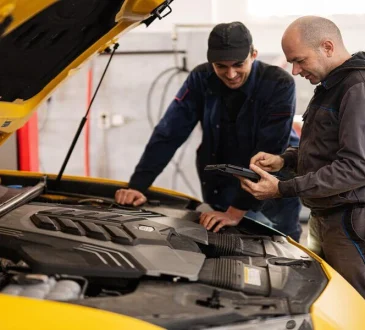
Another important restoration technique involves rebuilding mechanical components. The engine is disassembled, thoroughly cleaned, and reassembled with either original or new parts. The transmission, suspension and brakes are treated similarly. Accurate measurements and calibration ensure optimal performance and efficiency.
Surface Preparation and Paint Application
Surface preparation is crucial for a flawless finish. The car is sanded, filled, and primed. Contemporary painting methods may involve several layers (base coat, clear coat), applied in spray booths. Finishing touches such as polishing and buffing add to the gloss, providing a showroom finish.
Electrical System Restoration
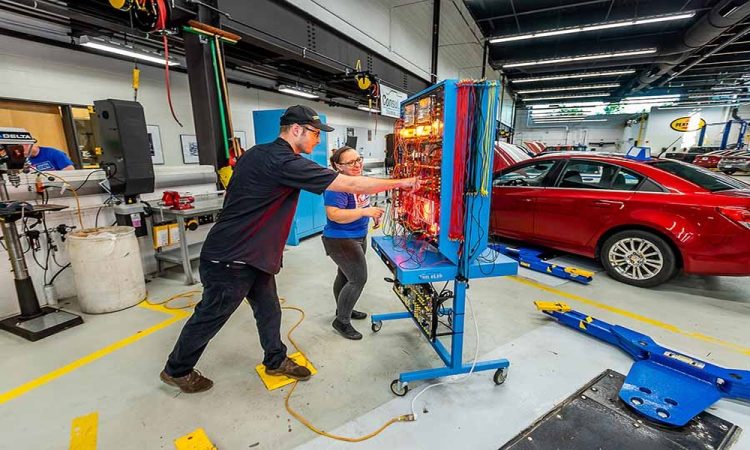
Older cars tend to have worn-out wiring. This includes replacing or restoring wiring harnesses, connectors and electrical parts. A balance is struck between safety and functionality, while trying to keep the original design.
Interior Refurbishment Techniques
Repair and reconstruction techniques are used to refurbish the interior. Seats are re-sewn or replaced, dashboards are re-finished and trim pieces are repaired. Genuine materials and patterns are typically used to maintain the car’s integrity, but contemporary comforts can be incorporated.
Meticulous Reassembly and Inspection
The last method is accurate reassembly of the parts. Components are fitted as per references to ensure a tight fit. Once assembled, extensive inspections and tests are performed to ensure that the vehicle is safe and performs to specifications.
These fundamental techniques are combined to bring forth a total classic car restoration, turning old cars into true pieces of art, and preserving this automotive heritage for generations to come.