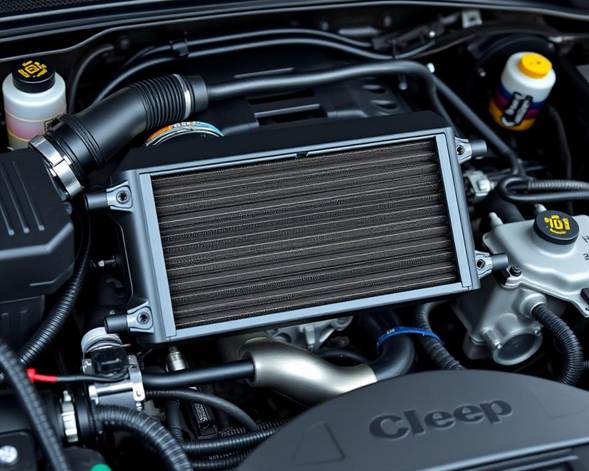
Your car’s engine is very complex and needs good care to work right. A key part is the engine oil cooling system. An oil cooler is a special radiator for cooling engine oil. It’s different from the car’s cooling system that keeps the engine cool.
For Jeep Grand Cherokee owners, knowing about an oil cooler is very important. It keeps the engine oil at the right temperature. This makes the engine work better and last longer.
Key Takeaways
- An oil cooler is a separate entity from the vehicle’s cooling system.
- It is designed to cool engine oil, not the engine itself.
- Installing an oil cooler can enhance engine performance.
- It is very good for vehicles like the Jeep Grand Cherokee.
- Regular maintenance of the oil cooling system is very important.
Understanding Engine Oil and Its Functions
Engine oil is vital for your Jeep Grand Cherokee’s engine. It keeps things running smoothly by lubricating, cooling, and protecting against wear. This ensures your engine works well and lasts longer.
The Role of Oil in Your Jeep’s Engine
Engine oil does many important jobs in your Jeep Grand Cherokee’s engine. It makes moving parts run smoothly by reducing friction. It also keeps the engine cool by taking heat away from important parts.
Oil cleans the engine by removing dirt and debris. It also stops corrosion from damaging the engine.
| Function | Description |
| Lubrication | Reduces friction between moving parts |
| Cooling | Transfers heat away from engine components |
| Cleaning | Carries away dirt and debris |
| Corrosion Protection | Protects engine components from corrosion |
How Heat Affects Oil Performance
High temperatures can harm engine oil’s performance. When oil gets too hot, it can break down. This can damage your engine.
The best temperature for engine oil is between 195°F and 220°F. If it gets hotter, oil quality drops. This can hurt your engine’s performance and increase the risk of failure.
“The degradation of engine oil due to high temperatures can lead to a cascade of problems, including increased engine wear, reduced fuel efficiency, and potentially catastrophic engine failure.”
– Expert Mechanic
To keep your engine running well, check the oil temperature and condition. This is very important when driving in tough conditions like towing or off-roading.
What Is an Oil Cooler and How Does It Work?
Keeping engine oil at the right temperature is very important. The oil cooler for jeep grand cherokee helps do this. It keeps the engine oil at a good temperature for better engine performance and longer life.
Basic Principles of Oil Cooling Systems
Oil cooling systems work by exchanging heat. They cool the engine oil with air or water. The hot oil goes through a cooler, then it’s cooled and goes back to the engine.
Types of Oil Coolers Available
There are mainly two kinds of oil coolers: oil-to-water and oil-to-air coolers. Oil-to-water coolers use engine coolant to cool the oil. Oil-to-air coolers use air. The choice depends on the vehicle and how it’s used.
| Type of Oil Cooler | Cooling Medium | Typical Application |
| Oil-to-Water | Engine Coolant | High-performance vehicles, towing applications |
| Oil-to-Air | Air | Vehicles operating in extreme temperatures, off-road use |
Choosing the right oil cooler for a Jeep Grand Cherokee is important. It depends on how you drive and any changes you’ve made. Knowing your options helps keep your engine running well.
Signs Your Grand Cherokee Needs an Oil Cooler
If you drive a Jeep Grand Cherokee, it’s key to know when it needs an oil cooler. An oil cooler keeps the engine at the right temperature. This is very important when driving hard or in hot places like Australia.
Temperature Warning Indicators
When the temperature warning light turns on, it’s a clear sign. It means the engine oil is too hot. This can hurt the engine badly if not fixed fast.
Performance Issues Related to Oil Overheating
Too hot oil can make the engine run poorly. You might feel less power, or the car might hesitate when you press the gas. A mechanic said, “Oil overheating is like a silent killer for engines; it can cause significant damage before you even notice there’s a problem.”
Specific Symptoms in Different Grand Cherokee Generations
Each Grand Cherokee model can show different signs of overheating oil. Some might leak oil or use more fuel.
Common Causes of Oil Overheating in Jeep Grand Cherokes
Knowing why oil overheats is key to keeping your Jeep Grand Cherokee’s engine healthy. If oil overheats, it can damage your engine badly.
Design Limitations in Stock Cooling Systems
The cooling system in many Jeep Grand Cherokees might not handle extreme conditions well. Design limitations can cause it to cool too little, which is a problem in high-performance or heavy-duty use.
High-Stress Driving Conditions in Australia
Australia’s varied terrain and weather can put a lot of stress on cars. For example, driving in remote areas or during extreme weather can make oil overheating more likely. To learn how to avoid this, check out how to test your car’s oil for leaks.
Towing and Off-Road Impact on Oil Temperature
Towing heavy trailers or going off-road puts a lot of strain on your Jeep’s engine. This makes the oil temperature go up. Here’s a table showing how different driving conditions affect oil temperature.
| Driving Condition | Impact on Oil Temperature |
| Towing | Significant increase |
| Off-Road | Moderate to significant increase |
| Highway Driving | Minimal increase |
By knowing these factors, Jeep Grand Cherokee owners can prevent oil overheating. This helps keep their vehicle running well for a long time.
Benefits of Installing an Oil Cooler for Jeep Grand Cherokee
Installing an oil cooler can change the game for Grand Cherokee owners. It offers many benefits, no matter where you drive. An oil cooler keeps engine oil at the right temperature. This is key for the engine to run well and last longer.
Extended Engine Lifespan
An oil cooler helps your engine last longer. It keeps oil temperature stable, preventing oil breakdown. This breakdown can wear out your engine. “Keeping oil temperature right is vital for engine longevity,” say car experts.
Improved Performance Under Load
An oil cooler also boosts your Jeep Grand Cherokee’s performance. It works best when you’re carrying heavy loads or towing. It keeps the engine oil cool, so your engine runs smoothly, even when it’s hard.
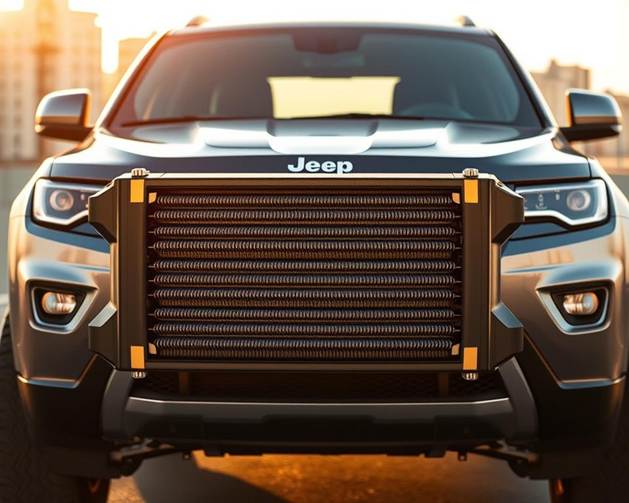
Protection During Australian Summer Conditions
Australia’s hot summers are tough on cars. An oil cooler adds extra protection against the heat. It makes sure engine oil doesn’t get too hot.
This is very important for keeping your engine healthy on long trips or in heavy traffic.
Cost-Benefit Analysis and ROI
At first, an oil cooler might seem expensive. But the long-term gains are huge. It helps your engine last longer and run better, saving you money on repairs and upkeep.
It’s a smart choice for any Grand Cherokee owner.
Different Types of Oil Coolers Suitable for Grand Cherokes
The type of oil cooler you choose for your Grand Cherokee matters a lot. It can affect how well your car runs and lasts. Jeep Grand Cherokee owners have many oil cooler types to pick from. Each one is made for different needs and driving situations.
Air-Cooled vs. Liquid-Cooled Systems
Oil coolers for Grand Cherokes come in two main types: air-cooled and liquid-cooled. Air-cooled ones use the air around to cool the oil. They are simpler and often cheaper to put in.
Liquid-cooled oil coolers use the engine’s coolant to cool the oil. They might work better in very hot or cold weather.
Plate and Fin vs. Tube and Fin Designs
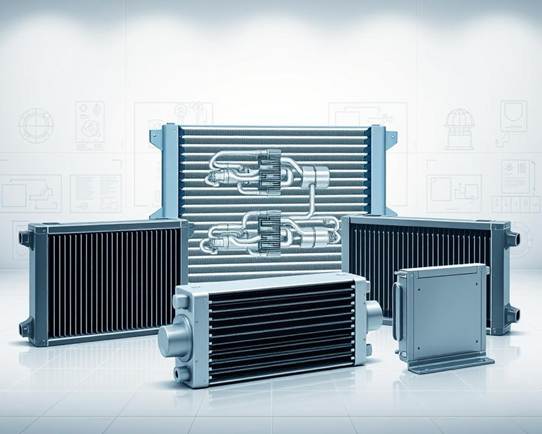
Oil coolers also differ in design. You can choose between plate and fin, or tube and fin. Plate and fin designs are small but efficient. Tube and fin designs have more surface area for cooling.
Which design you pick depends on your Grand Cherokee’s space and your cooling needs.
OEM vs. Aftermarket Options Available in Australia
In Australia, Grand Cherokee owners must choose between OEM and aftermarket oil coolers. OEM coolers fit perfectly and work well with the car’s systems. Aftermarket coolers might offer better performance and extra features.
- OEM oil coolers provide a guaranteed fit and compatibility.
- Aftermarket options can offer improved performance and additional features.
- Consider your specific needs and driving conditions when choosing between OEM and aftermarket.
Knowing about the different oil coolers helps Jeep Grand Cherokee owners make a good choice. This choice can improve your car’s performance and protect its engine.
How to Choose the Right Oil Cooler for Your Grand Cherokee Model
Choosing the right oil cooler for your Grand Cherokee is important. It’s not just about better performance. It also protects your engine from harsh Australian driving.
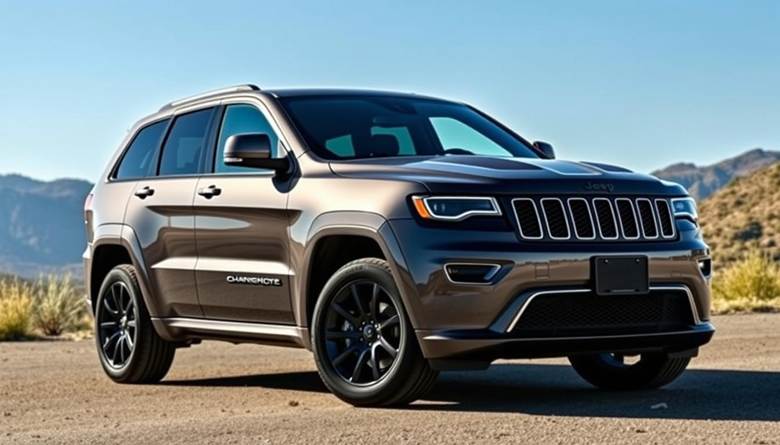
Compatibility with WK, WK2, and WL Generation Models
First, make sure the oil cooler fits your Grand Cherokee model. It must match your vehicle’s cooling system. Compatibility is key to avoiding installation issues and ensuring optimal performance. Check your vehicle’s manual or talk to a professional to find the right specs.
Size and Capacity Considerations
The size and capacity of the oil cooler are very important. A bigger cooler might cool better but must fit in your Grand Cherokee. A smaller one might be easier to install but might not cool enough under heavy loads or in the Australian summer. Finding the right balance is key.
Quality and Brand Reputation in the Australian Market
The quality and brand reputation of the oil cooler matter a lot. Choose brands known for quality and reliability in Australia. A good brand may offer a warranty and support, making your purchase worth it. As one expert says, “A high-quality oil cooler from a reputable brand is an investment in your vehicle’s long life.”
By thinking about these points, you can pick an oil cooler that’s right for your Grand Cherokee. It will improve its performance and protect its engine.
Installation Guide: Adding an Oil Cooler to Your Grand Cherokee
Installing an oil cooler in a Jeep Grand Cherokee has several steps. This guide will show you the tools and materials needed. It will also cover the installation process and the differences between DIY and professional installation. Plus, it will talk about warranty implications in Australia.
Tools and Materials Needed
To start, you need some special tools and materials. These include:
- An oil cooler kit for your Grand Cherokee
- Socket set and wrenches
- Torque wrench
- Teflon tape or thread sealant
- New oil filter (if your kit needs one)
Step-by-Step Installation Process
- Prepare your vehicle: Make sure your Grand Cherokee is on a level surface and the parking brake is on.
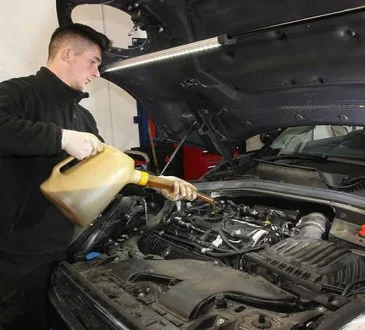
- Drain the engine oil: Take off the oil drain plug and let the oil flow into a pan.
- Remove the old oil filter: If your kit needs a new oil filter, now is the time to take out the old one.
- Install the oil cooler: Follow the manufacturer’s instructions to mount the oil cooler. It usually goes on the radiator or a special bracket.
- Connect the oil lines: Connect the oil lines to the oil cooler. Make sure they are securely attached with the right fittings.
Professional vs. DIY Installation Considerations
Installing an oil cooler can be a DIY job. But, think about your comfort with the task. Professional installation can ensure it’s done right and gives you peace of mind.
Australian Warranty Implications
Modifying your vehicle can affect your warranty. In Australia, the impact depends on the manufacturer and your warranty terms.
By following these steps and thinking about the factors, you can successfully add an oil cooler to your Jeep Grand Cherokee.
Maintenance Tips for Your Jeep’s Oil Cooling System
Keeping your Jeep’s oil cooling system in good shape is important. It helps keep your engine at the right temperature. This is key when driving in Australia’s hot conditions.
Regular Inspection Procedures
It’s important to check your oil cooler often. Look for leaks, corrosion, or damage to hoses and connections.
Cleaning and Servicing Requirements
Cleaning the oil cooler is a must. Use a mild detergent to avoid harming the fins or tubes. Also, check the coolant level and its condition regularly.
When to Replace Components
Replace parts if they’re worn out or damaged. This includes hoses, seals, and the oil cooler itself if it’s clogged or leaking.
Adapting Maintenance for Australian Conditions
Australia’s hot weather and dust need extra care. Clean the oil cooler often and check for damage to avoid problems.
Common Oil Cooler Problems and Troubleshooting
Oil coolers are key for your engine’s life. But, they can leak, clog, and face other problems. Knowing these issues and how to fix them is vital for your Jeep Grand Cherokee’s health.
Leaks and How to Detect Them
Leaks are common in oil coolers. They happen when seals get damaged or corrode. Look for moisture or oil drops on the cooler and its connections. Also, check the oil level often. A sudden drop might mean a leak.
Clogging and Reduced Efficiency
Clogging happens when dirt or sludge blocks the cooler. This makes the oil hotter and can harm your engine. Keep the cooling system clean to avoid clogs.
Connection and Mounting Issues
Bad connections or mounts can mess up your oil cooler. Make sure everything is tight and the cooler is mounted right. This stops damage from vibrations.
Finding Qualified Repair Services in Australia
If you find any problems, get help from experts. Look for mechanics who know Jeeps and read online reviews.
Here are some steps to fix oil cooler problems:
- Regularly check the oil cooler and its connections
- Watch the oil levels and temperature
- Look for leaks or corrosion signs
- Make sure it’s mounted right and connections are tight
By doing these, you can spot and fix oil cooler issues early. This keeps your engine safe.
Maximizing Your Grand Cherokee’s Performance with Proper Oil Management
Proper oil management is key for a Jeep Grand Cherokee’s best performance. Regular checks and oil temperature monitoring are vital. They help keep the engine running smoothly.
The engine specs, like the 3.7-L V6 and 5.7-L V8 HEMI, show the need for the right oil. Using 5W-30 oil keeps the engine efficient.
The 5.7-L V8 HEMI engine has the Multi-Displacement System (MDS) for better fuel use. Knowing your engine’s features helps you improve its performance.
Good oil management extends your engine’s life and boosts performance. It also protects it in harsh conditions. Regular oil checks, the right oil type, and an oil cooler can make a big difference.